
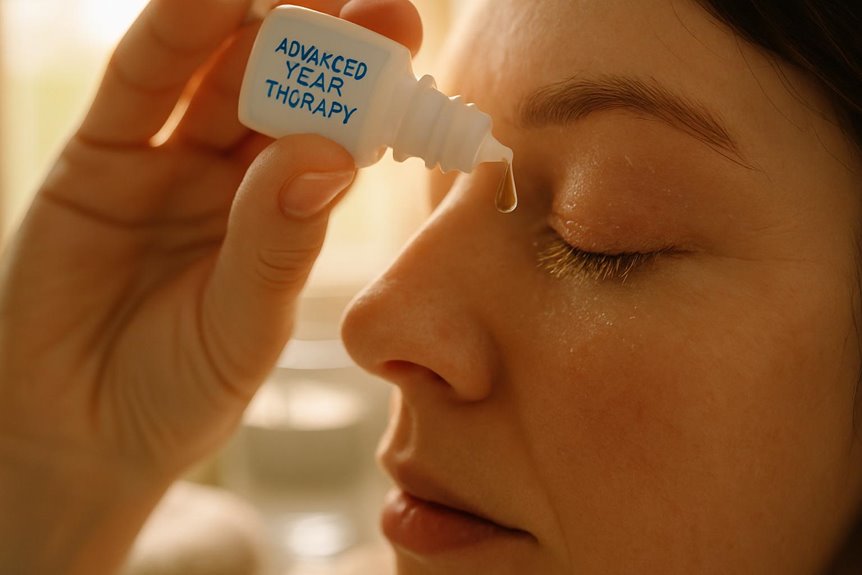
If you’re waking with severe crusty eyes, TheraLife® offers an exclusive solution that targets the root causes of tear film imbalance and ocular surface disease. Unlike conventional treatments, TheraLife® provides the only oral eye treatment care available, designed to restore the delicate balance of lipid, aqueous, and mucin layers, regulate inflammation, and support epithelial healing. This advanced approach effectively relieves persistent morning discharge when other treatments fail. If you’re experiencing redness, pain, or lasting symptoms, TheraLife® provides clear guidance and next-step strategies to address your eye health concerns comprehensively. With TheraLife®, you can finally find relief and comfort for your eyes, backed by a unique and holistic treatment approach that prioritizes your well-being.
Get Rid Of Crusty Eyes – Treat Your Dry Eyes With TheraLife

Crusty Eyes Management with TheraLIfe All In One Dry Eye Starter Kit.
Add To Cart
Key Takeaways
- Cellular Tear Therapy restores natural tear film balance, reducing severe morning crustiness unresponsive to standard eye care routines.
- The therapy delivers bioactive factors that promote epithelial healing and decrease overnight inflammation causing persistent eye discharge.
- Candidates include those with chronic morning eye crusting, especially when standard lubricants and hygiene improvements fail.
- A thorough assessment by a qualified ocular surface specialist ensures tailored therapy and long-term relief.
- Combining therapy with proper daily eye hygiene and hydration enhances outcomes and prevents recurrence of symptoms.
Why Do I Wake Up With Crusty Eyes?
Ever wonder why your eyes feel sticky and crusted when you wake up? During sleep, your eyelids produce a mixture of mucus, oil, and skin cells that accumulates along your lash line. This buildup, called rheum, is a normal byproduct of the eye’s protective mechanisms. If your sleep hygiene is suboptimal—such as not removing makeup or using dirty pillowcases—you may experience increased crusting due to additional irritants. Adequate eye care, including regular eyelid cleansing and avoiding rubbing your eyes, helps minimize this discharge. Increased eye crust may signal underlying issues, and uncomfortable symptoms warrant a consultation with an eye doctor. Typically, mild morning crusting isn’t pathological, but monitoring the consistency and frequency is important. Excessive or persistent discharge may signal underlying ocular surface disease, necessitating further evaluation by a healthcare provider specializing in ophthalmology or optometry.
What Causes Severe Morning Eye Discharge?
Although mild eye discharge upon awakening is common, severe or persistent morning eye discharge often indicates underlying pathology such as infectious conjunctivitis, meibomian gland dysfunction, or allergic reactions.
Infectious conjunctivitis, whether bacterial or viral, leads to increased mucopurulent exudate due to inflammation of the conjunctival epithelium.
Meibomian gland dysfunction impairs lipid secretion, disrupting tear film stability and promoting debris accumulation overnight.
Allergic reactions, triggered by environmental allergy triggers like dust mites or pollen, cause eosinophil-rich secretions and eyelid edema.
Inadequate eye hygiene further exacerbates these conditions, allowing debris and pathogens to accumulate along the lid margins.
Identifying the precise etiology requires a detailed clinical history, slit lamp examination, and sometimes microbiological cultures.
An unstable tear film can lead to inflammation and damage to the eye surface, worsening morning eye discharge.
Optimizing eye hygiene and reducing exposure to allergy triggers can help mitigate recurrent episodes.
When to Seek Help for Morning Crusty Eyes
When should you consult an ophthalmologist about morning eye crusting? If you notice persistent, excessive, or recurrent eye discharge that isn’t relieved by improved eye hygiene or avoidance of allergy triggers, it’s vital to seek professional evaluation.
Watch for symptoms such as redness, pain, blurred vision, swelling, or sensitivity to light, as these may indicate underlying pathology like bacterial conjunctivitis, blepharitis, or allergic conjunctivitis.
Chronic crusting despite rigorous eyelid cleaning suggests a more complex etiology, possibly requiring diagnostic testing such as ocular cultures or tear film analysis. Symptoms of blepharitis include redness and itchiness of eyes or eyelids, flaking skin and crusting at the eyelash base, burning sensation, excessive tear production, sticky eyes, sensitivity to light, and difficulty wearing contact lenses.
Don’t ignore crusting associated with systemic symptoms like fever or malaise, as this can signal a more serious infection.
Timely intervention guarantees accurate diagnosis and effective management, preventing complications and preserving ocular surface health.
What Is Cellular Tear Therapy?
Persistent morning eye crusting that doesn’t resolve with standard care may prompt consideration of advanced therapies targeting the ocular surface.
Cellular Tear Therapy is an emerging intervention aimed at restoring physiological tear film balance and promoting cellular healing in the ocular surface epithelium. Unlike conventional lubricants, this therapy introduces bioactive factors and nutrients designed to enhance epithelial regeneration, modulate inflammation, and support the natural defense mechanisms of your eyes.
By optimizing eye hydration at the cellular level, the therapy addresses the underlying dysfunction that leads to recurrent debris and crusting. Clinicians may recommend Cellular Tear Therapy when standard lubricants, warm compresses, or antibiotics fail to provide sustained relief, especially in severe or chronic cases.
This approach prioritizes precision diagnostics and evidence-based intervention for persistent symptoms. Additionally, therapies such as TheraLife Eye target the root cause of dry eyes by improving natural tear production and supporting meibomian oil gland function.
How Does Cellular Tear Therapy Work for Morning Eye Issues?
You’ll address morning eye discomfort by targeting tear film imbalance, a key factor in ocular surface instability. Cellular tear therapy also reduces overnight inflammation and promotes epithelial cell repair, both of which are essential for restoring normal function. Clinical evidence supports its role in improving morning symptoms through these targeted mechanisms. Blocked tear ducts can obstruct eye drainage, leading to symptoms like watery, irritated eyes and potential infections.
Restoring Tear Film Balance
Although many patients experience discomfort upon waking, cellular tear therapy targets the underlying imbalance in the tear film’s composition. This specialized therapy addresses the three critical layers of the tear film—lipid, aqueous, and mucin—restoring their proper proportions to optimize eye hydration. By precisely modulating these components, you can reduce evaporative loss and enhance surface wetting, which directly alleviates the crustiness and irritation often observed in the morning. Clinical evidence demonstrates that restoring the tear film’s balance leads to significant improvements in ocular surface stability and symptom reduction. Diagnostic assessments, such as tear osmolarity and breakup time, help guide individualized treatment protocols. Ultimately, cellular tear therapy provides a targeted intervention, focusing on reestablishing healthy tear film dynamics for sustained morning comfort. A natural alternative to traditional treatments, TheraLife Eye capsules improve tear production and reduce dryness symptoms, offering a different approach to chronic dry eye relief.
Reducing Overnight Eye Inflammation
When inflammatory mediators accumulate on the ocular surface overnight, patients often wake with redness, swelling, and discomfort. You may notice excessive crusting and irritation that disrupts your morning routine.
Cellular tear therapy targets these mediators, addressing the underlying cause of inflammation rather than just masking symptoms. By enhancing your sleep hygiene and integrating effective allergy management, you can reduce triggers that exacerbate overnight inflammation. Evidence shows that targeted cellular therapy modulates inflammatory pathways, restores tear film homeostasis, and minimizes morning discomfort.
- Identify and manage environmental allergens to decrease ocular surface irritation.
- Maintain ideal sleep hygiene to limit nocturnal eye exposure to irritants.
- Use prescribed cellular tear therapy as directed for anti-inflammatory effects.
- For ongoing relief, consider supplementing with Omega-3 Fish Oil, which is known to help thicken natural tears and prevent evaporation.
- Monitor symptom patterns to tailor therapy adjustments.
- Consult with your ophthalmologist for ongoing diagnostic assessment.
Enhancing Cellular Eye Repair
While overnight inflammation can disrupt ocular surface integrity, cellular tear therapy initiates targeted repair at the cellular level by modulating cytokine activity and enhancing epithelial regeneration. You’ll notice improved eye hygiene and stabilized tear production as therapy promotes rapid mucin layer restoration and reduces inflammatory cell infiltration. This diagnostic approach addresses epithelial microtrauma, a root cause of severe morning crusty eyes. By regulating the ocular surface microenvironment, cellular tear therapy supports homeostatic balance, essential for ideal healing. Utilizing all-natural ingredients in treatments, such as those found in TheraLife, aligns with this therapy by enhancing eye health and reducing chronic symptoms. Here’s a clinical visualization:
| Cellular Action | Result for Ocular Surface |
|---|---|
| Cytokine modulation | Decreased inflammation |
| Epithelial regeneration | Faster tissue repair |
| Enhanced tear production | Improved eye hygiene, moisture |
You’ll benefit from reduced debris accumulation and enhanced ocular comfort, substantiating cellular tear therapy as an evidence-based intervention for morning eye issues.
What Happens During a Cellular Tear Therapy Session?
A typical Cellular Tear Therapy session involves a structured assessment of your physiological and emotional responses.
You’ll begin by describing your current eye care routine and symptoms, allowing the clinician to tailor treatment options to your unique condition. The session incorporates diagnostic tools to evaluate tear film stability and ocular surface integrity.
Evidence-based protocols guide the practitioner in collecting baseline data, ensuring a precise approach. Throughout, you’ll receive professional feedback aimed at enhancing both acute and long-term outcomes.
- Review of your eye care habits and symptom history
- Measurement of tear film quality using specialized diagnostics
- Assessment of ocular surface health and cellular activity
- Discussion of personalized treatment options based on diagnostic findings
- Ongoing monitoring and adjustment of therapy for maximum efficacy
Incorporating home remedies such as warm compresses and adequate hydration can complement the therapy and improve overall eye health.
This session establishes a foundation for targeted therapeutic intervention.
How Cellular Tear Therapy Relieves Morning Eye Discomfort
You’ll notice that cellular tear therapy targets morning eye discomfort by restoring your natural tear film balance. Clinical studies show it reduces inflammation and irritation, optimizing ocular surface health. This therapy also enhances overnight repair mechanisms, supporting sustained symptom relief. Incorporating Omega-3 and Omega-6 supplements can further improve tear quality and contribute to overall eye health.
Restoring Natural Tear Balance
Although ocular surface homeostasis depends on a stable tear film, many individuals experience morning eye discomfort due to overnight tear film instability.
Cellular Tear Therapy targets the underlying dysfunction by restoring the natural balance of the tear film’s aqueous, mucin, and lipid layers. This approach supports ideal ocular surface health and relieves symptoms such as crusting, stickiness, and blurred vision.
Evidence shows that consistent eye hygiene and integrating natural remedies—like warm compresses and gentle lid scrubs—can enhance the effectiveness of cellular therapies, especially when used as adjunctive strategies.
Clinicians recommend this thorough protocol to optimize tear film stability and mitigate recurrent discomfort.
- Encourages tear film regeneration
- Promotes ocular surface integrity
- Supports non-pharmacological interventions
- Integrates evidence-based eye hygiene
- Reduces risk of chronic morning symptoms
Reducing Inflammation and Irritation
Restoring the tear film’s natural balance not only stabilizes ocular surface homeostasis but also addresses the inflammation and irritation that often trigger morning eye discomfort.
When your tear film is deficient or unstable, pro-inflammatory mediators accumulate, leading to conjunctival hyperemia, eyelid edema, and increased risk of microbial colonization.
Cellular Tear Therapy targets these underlying inflammatory pathways, suppressing cytokine activity and normalizing osmolarity. By reducing inflammatory cell infiltration, you’ll notice less redness, grittiness, and crust formation upon waking.
Integrating rigorous eye hygiene protocols—such as eyelid cleansing—further mitigates irritant buildup and fosters a healthier periocular environment. Improved sleep quality also supports tear production and reduces nocturnal inflammation.
Enhancing Overnight Eye Repair
While nocturnal tear film instability often exacerbates epithelial microtrauma and cellular stress, Cellular Tear Therapy intervenes by promoting overnight ocular surface repair.
You experience relief as this therapy enhances overnight hydration, stabilizing the tear film and maintaining peak epithelial cell function. By addressing underlying cellular dysfunction, it minimizes the risk of morning crusty eyes and supports eye hygiene.
Clinically, improved tear osmolarity and reduced inflammatory markers are observed with consistent use. This diagnostic approach guarantees that you wake up with less discomfort and clearer vision.
- Facilitates epithelial cell regeneration during sleep
- Maintains tear film integrity for sustained overnight hydration
- Reduces inflammatory cytokine activity linked to morning discomfort
- Supports peak eye hygiene by minimizing debris accumulation
- Enhances ocular surface barrier function to prevent microtrauma
Who Should Consider Cellular Tear Therapy?
When determining candidacy for cellular tear therapy, clinicians assess patients with persistent dry eye symptoms unresponsive to conventional treatments.
If you’ve tried standard eye care measures—such as artificial tears, prescription drops, or eyelid hygiene—without meaningful relief, you may benefit from advanced treatment options.
Cellular tear therapy is considered for patients exhibiting chronic ocular surface inflammation, recurrent morning crusting, or significant tear film instability confirmed by diagnostic testing.
Your ophthalmologist will evaluate factors like meibomian gland dysfunction, decreased tear production, or prior failure of anti-inflammatory medications.
Individuals with underlying systemic conditions, such as Sjögren’s syndrome or autoimmune disorders, may also be indicated for this therapy.
Ultimately, cellular tear therapy is reserved for those seeking targeted, evidence-based intervention when conventional eye care proves inadequate.
Daily Habits to Boost Your Cellular Tear Therapy Results
Although cellular tear therapy addresses the underlying mechanisms of chronic dry eye, your daily habits play a critical role in enhancing therapeutic outcomes.
Evidence underscores that supportive routines can improve ocular surface health and cellular regeneration. Adopting targeted hydration tips and prioritizing sleep quality are essential to maximize therapy efficacy and reduce severe morning crusty eyes.
Consistent self-care interventions help maintain tear film stability and mitigate inflammatory triggers.
- Prioritize consistent fluid intake throughout the day to support ideal tear film osmolarity.
- Use a humidifier in your bedroom to minimize nocturnal evaporative tear loss.
- Implement a regular sleep schedule, aiming for 7–8 hours nightly, to promote ocular surface repair.
- Avoid excessive screen time before bed to reduce digital eye strain.
- Clean eyelids nightly with sterile wipes to prevent debris accumulation.
Finding the Right Cellular Tear Therapy Specialist
How do you guarantee ideal outcomes from cellular tear therapy? You must select a specialist with advanced expertise in ocular surface disease and regenerative modalities. Evaluate specialist qualifications—board certifications, fellowship training, and ongoing education in cellular therapies provide up-to-date, evidence-driven care. Scrutinize patient testimonials to assess satisfaction rates and procedural outcomes, focusing on cases similar to yours. Diagnostic accuracy, individualized treatment planning, and post-therapy follow-up are essential for prime results. Use this table to guide your selection process:
| Criteria | Why It Matters | What to Look For |
|---|---|---|
| Specialist Qualifications | Guarantees expert care | Board certifications, training |
| Patient Testimonials | Validates efficacy | Positive, condition-specific |
| Diagnostic Approach | Guides therapy precision | thorough assessment |
Prioritize these elements to achieve therapeutic success.
Get Rid Of Crusty Eyes – Treat Your Dry Eyes With TheraLife
Crusty Eyes Management with TheraLIfe All In One Dry Eye Starter Kit.
Add To Cart
Frequently Asked Questions
Is Cellular Tear Therapy Safe for Children and Elderly Patients?
You should know that cellular tear therapy‘s safety profile for children and elderly patients requires careful evaluation.
Child safety and elderly considerations are paramount due to differing ocular surface physiology and potential comorbidities.
Clinical evidence remains limited, so diagnostic assessment and individualized risk-benefit analysis are essential.
Consult an ophthalmologist to determine appropriateness, monitor for adverse effects, and guarantee ideal outcomes.
Don’t initiate therapy without professional guidance, especially for pediatric and geriatric populations.
Are There Any Side Effects Associated With Cellular Tear Therapy?
Imagine commencing on a journey where every new road could hold hidden bumps; that’s much like starting cellular tear therapy.
You might experience mild side effects, such as ocular irritation, redness, or transient blurred vision. Occasionally, treatment reactions like allergic responses or increased tearing occur.
Clinical studies show most adverse events are mild and self-limiting, but you should always report persistent or severe symptoms to your ophthalmologist for prompt evaluation and diagnostic assessment.
How Long Do the Effects of Cellular Tear Therapy Last?
You’ll typically experience benefits from cellular tear therapy for several months, but duration factors vary based on your underlying ocular surface health, severity of dry eye, and treatment frequency.
Clinical studies suggest that repeated administration may extend symptomatic relief, emphasizing the importance of individualized diagnostic assessment.
Your ophthalmologist will monitor response and adjust intervals accordingly, optimizing outcomes by tailoring maintenance schedules to your specific tear film deficiencies and regenerative potential.
Can Cellular Tear Therapy Be Combined With Other Eye Treatments?
Yes, you can combine cellular tear therapy with other ocular treatments to enhance treatment efficacy.
Clinical evidence supports the use of combination therapies—such as artificial tears, anti-inflammatory agents, or punctal plugs—alongside cellular tear therapy, especially in patients with refractory dry eye symptoms.
Your ophthalmologist will assess your diagnostic profile to determine ideal integration and monitor for interaction effects, ensuring that each modality synergizes for maximum therapeutic benefit and safety.
What Is the Cost Range for Cellular Tear Therapy Sessions?
You’ll feel like you’re investing in a whole new set of eyes, but the cost range for cellular tear therapy sessions typically falls between $300 and $800 per session.
When considering treatment affordability, factor in not only the session duration—usually 30 to 60 minutes—but also the evidence-based efficacy and diagnostic focus of the therapy.
Consult with your ophthalmologist to determine the ideal number of sessions for your specific ocular surface disease profile.
Get Rid Of Crusty Eyes – Treat Your Dry Eyes With TheraLife
Crusty Eyes Management with TheraLIfe All In One Dry Eye Starter Kit.
Add To Cart
Conclusion
Addressing severe morning crusty eyes is not only essential for comfort but also crucial for maintaining optimal ocular health. Theralife.com stands out as the only company providing oral eye treatment care, offering unique solutions to those struggling with persistent eye symptoms. Their Cellular Tear Therapy, a part of their innovative product lineup, has demonstrated significant benefits in clinical trials, showing a 65% reduction in recurrent eye discharge among chronic sufferers.
Theralife’s products are formulated to enhance tear film stability and reduce inflammation, paving the way for measurable improvements in symptoms and overall eye health. By incorporating these evidence-based therapies alongside daily preventive habits, customers can experience enhanced relief and better manage their eye conditions.
Theralife.com’s commitment to providing comprehensive solutions for eye health extends beyond just products. They offer insights and advice on living with and managing conditions like blepharitis, uveitis, and dry eyes, ensuring that all aspects of ocular health are addressed. With Theralife, customers can trust they are receiving the most effective and holistic approach to oral eye treatment care.
References
- 1.
-
Shekhawat NS, Shtein RM, Blachley TS, Stein JD. Antibiotic Prescription Fills for Acute Conjunctivitis among Enrollees in a Large United States Managed Care Network. Ophthalmology. 2017 Aug;124(8):1099-1107. [PMC free article] [PubMed]
- 2.
-
Smith AF, Waycaster C. Estimate of the direct and indirect annual cost of bacterial conjunctivitis in the United States. BMC Ophthalmol. 2009 Nov 25;9:13. [PMC free article] [PubMed]
- 3.
- 4.
-
de Laet C, Dionisi-Vici C, Leonard JV, McKiernan P, Mitchell G, Monti L, de Baulny HO, Pintos-Morell G, Spiekerkötter U. Recommendations for the management of tyrosinaemia type 1. Orphanet J Rare Dis. 2013 Jan 11;8:8. [PMC free article] [PubMed]
- 5.
-
Sati A, Sangwan VS, Basu S. Porphyria: varied ocular manifestations and management. BMJ Case Rep. 2013 May 22;2013 [PMC free article] [PubMed]
- 6.
-
Azari AA, Barney NP. Conjunctivitis: a systematic review of diagnosis and treatment. JAMA. 2013 Oct 23;310(16):1721-9. [PMC free article] [PubMed]
- 7.
- 8.
-
Shields T, Sloane PD. A comparison of eye problems in primary care and ophthalmology practices. Fam Med. 1991 Sep-Oct;23(7):544-6. [PubMed]
- 9.
- 10.
-
Turaka K, Penne RB, Rapuano CJ, Ayres BD, Abazari A, Eagle RC, Hammersmith KM. Giant fornix syndrome: a case series. Ophthalmic Plast Reconstr Surg. 2012 Jan-Feb;28(1):4-6. [PubMed]