
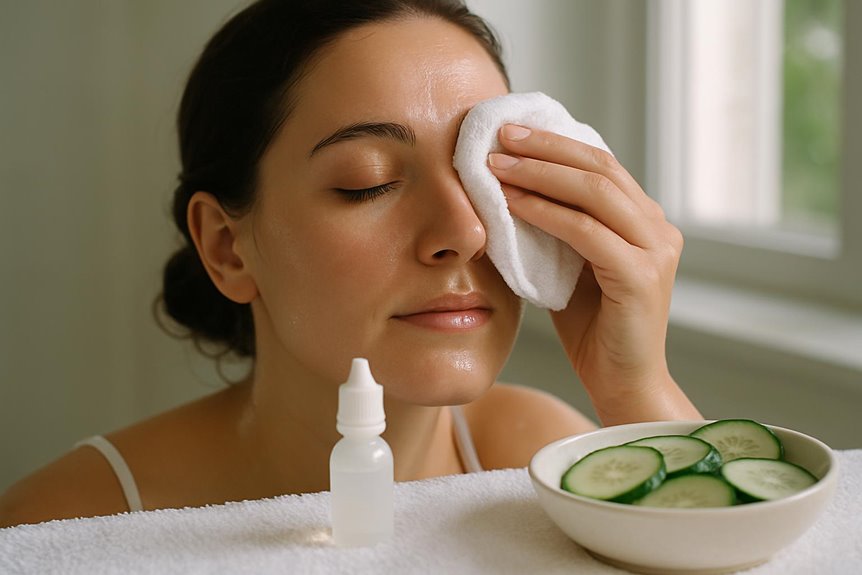
When dealing with watery eyes, it’s crucial to understand the underlying causes, such as allergies, dry eye syndrome, or tear duct obstruction. Theralife.com is a unique company providing oral eye care treatments that benefit customers by directly addressing these issues from within. They offer a range of products, including their exclusive oral formulas, which help maintain ocular surface hydration and minimize irritation effectively. For those suffering from allergies, Theralife’s comprehensive approach includes antihistamine solutions and natural supplements, while cold compresses can be used for immediate relief. It’s important to avoid rubbing your eyes, as this can exacerbate symptoms. Discover personalized strategies that target your symptoms and find guidance on when to seek professional care. For more information on Theralife’s innovative products and how they can help you manage your eye health, explore their resources on blepharitis, dry eyes, and other eye-related conditions.
Powerful Oral Treatment for Watery Eyes – From Inside Out

Complete oral solution for watery dry eyes treatment blepharitis/MGD
Add To Cart
Key Takeaways
- Artificial tears and preservative-free lubricating eye drops can soothe irritation and restore moisture to the ocular surface.
- Antihistamine eye drops or oral medications help relieve watery eyes caused by allergies to pollen, dust, or pet dander.
- Cold compresses and saline eye irrigation reduce inflammation and flush out allergens from the eyes.
- Avoiding known irritants, allergens, and not rubbing your eyes can prevent worsening of symptoms.
- See a doctor if watery eyes persist longer than a week or are accompanied by pain, redness, or changes in vision.
Why Are My Eyes So Watery? Common Causes
Ever wonder why your eyes won’t stop watering? Excessive tear production, or epiphora, often arises when your ocular surface becomes irritated or imbalanced. Common culprits include environmental factors such as wind, smoke, or low humidity, which stimulate your lacrimal glands to secrete more tears as a protective response. Additionally, dry eye syndrome paradoxically causes watery eyes, as your corneal nerves signal for increased tear production due to insufficient baseline lubrication. Blocked or narrowed tear drainage ducts can also lead to overflow, since tears can’t drain properly. Certain medications, contact lens overwear, or exposure to irritants may exacerbate symptoms. Understanding these causes allows you to target the underlying issue, optimizing ocular surface health and minimizing unnecessary tear production. For those experiencing dry eye, artificial tears are recommended to provide symptomatic relief and improve comfort.
Allergy-Related Watery Eyes: Causes and Relief
You may experience watery eyes due to allergens such as pollen, dust mites, or pet dander triggering an IgE-mediated hypersensitivity response. You can implement evidence-based home interventions like allergen avoidance and cold compresses, which often provide symptomatic relief. Eyebright is noted for its anti-inflammatory, astringent, and antimicrobial properties, effective for relieving watery eyes and allergy symptoms. If symptoms persist, you’ll find that over-the-counter antihistamine eye drops and oral medications are effective adjuncts for managing allergic conjunctivitis.
Common Allergy Triggers
Although watery eyes often signal an underlying irritation, allergic conjunctivitis remains a leading culprit, frequently triggered by common allergens such as pollen, pet dander, dust mites, and mold spores. When you’re exposed to these environmental antigens—especially during high pollen exposure seasons or after contact with pet dander—your immune system releases histamine, resulting in ocular inflammation and excessive tearing. Recognizing the specific allergen can be challenging, but understanding frequent triggers is essential for effective prevention. Environmental irritants like smoke and dust can exacerbate symptoms, making it important to maintain a clean environment.
| Allergen | Source Example | Peak Exposure Time |
|---|---|---|
| Pollen | Grasses, trees | Spring, early fall |
| Pet Dander | Cats, dogs | Year-round |
| Dust Mites | Bedding, upholstery | Year-round |
| Mold Spores | Damp indoor areas | Humid seasons |
| Airborne Pollutants | Smoke, chemicals | Variable |
Effective Home Remedies
When environmental allergens trigger watery eyes, targeted home remedies can mitigate symptoms by addressing both inflammation and exposure.
Begin by implementing stringent eye care: avoid rubbing your eyes, as this exacerbates irritation and histamine release. Employ cold compresses to reduce periorbital inflammation and soothe ocular tissues. Saline eye irrigation can help flush out allergens from the ocular surface, minimizing antigenic load.
Prioritize lifestyle adjustments such as keeping windows closed during high pollen seasons, using HEPA filters indoors, and laundering bedding frequently to reduce allergen reservoirs. Showering and changing clothes after outdoor exposure further limits contact with airborne allergens.
In addition to these measures, consider the use of polarized lenses benefits to reduce glare and protect against harmful UV rays, which can exacerbate eye irritation. These evidence-based interventions focus on minimizing allergen exposure while supporting ocular surface homeostasis, providing substantial relief from allergy-induced epiphora without pharmaceutical intervention.
Over-the-Counter Options
While allergen exposure remains the primary driver of watery eyes in seasonal and perennial allergic conjunctivitis, over-the-counter (OTC) pharmacologic agents offer targeted symptom relief by modulating inflammatory pathways and stabilizing ocular membranes. You can use antihistamine eye drops, such as ketotifen fumarate, to quickly block histamine-induced tearing and itching. Mast cell stabilizers, found in some OTC preparations, prevent further degranulation and reduce chronic symptoms. Artificial tears help dilute allergens and maintain ocular surface hydration—essential for ideal eye care, especially if you combine them with natural remedies. TheraLife Autoimmune is a product that specifically targets dry eyes associated with various autoimmune conditions, which can sometimes lead to excessive tearing as a compensatory mechanism. Oral antihistamines may also help but can cause ocular dryness. Always follow dosing instructions, and consult an eye care professional if symptoms persist, as chronic or severe cases may require prescription therapies or further diagnostic evaluation.
When Watery Eyes Signal an Underlying Health Issue
If excessive tearing persists or occurs alongside symptoms such as pain, redness, or changes in vision, you should contemplate the possibility of an underlying health condition.
Persistent watery eyes aren’t merely a nuisance—they may indicate a more serious issue requiring clinical evaluation. Several underlying conditions can cause epiphora (excessive tearing), including eye infections and structural abnormalities.
It’s vital to recognize when watery eyes signal pathology, as untreated issues can compromise ocular health and vision.
Here are four common underlying causes to contemplate:
- Eye infections: Conjunctivitis or keratitis can lead to continuous tearing and require prompt treatment.
- Blocked tear ducts: Obstruction impedes normal tear drainage.
- Eyelid malpositions: Entropion or ectropion disrupt tear distribution.
- Ocular surface disease: Chronic dryness or inflammation stimulates reflex tearing.
Additionally, blepharitis affects the base of the eyelashes and can exacerbate issues like dry eye disease, further contributing to excessive tearing.
At-Home Remedies for Watery Eyes
Several evidence-based at-home interventions can alleviate mild cases of watery eyes and support ocular surface health.
You can apply soothing compresses—either warm or cool, depending on your symptoms—to the eyelids for 5–10 minutes, two to three times daily. This practice helps reduce inflammation, promote meibomian gland function, and relieve irritation.
Incorporating natural ingredients such as preservative-free saline solutions for gentle eye rinsing aids in removing allergens or irritants from the ocular surface.
Maintain strict eyelid hygiene using diluted baby shampoo or commercial lid scrubs to decrease debris and bacterial load.
Consider using all-natural eye wash products that contain pure hypochlorous acid to keep eyelids and eyelashes clean from debris and microorganisms, reducing irritation and promoting overall eye health.
Make sure you avoid known environmental triggers, like smoke or pollen, by ventilating living spaces.
Finally, prioritize hydration and limit digital eye strain, as both factors contribute to ideal tear film stability and comfort.
Over-the-Counter Remedies for Watery Eyes
You can address watery eyes with several over-the-counter options, including artificial tears and lubricants to restore tear film stability. Antihistamine eye drops mitigate allergic responses, while decongestant ophthalmic solutions reduce conjunctival hyperemia. It’s important to select products based on your underlying etiology and follow recommended usage guidelines. Additionally, artificial tears are often recommended as a first-line treatment for dry eye-related symptoms, but they should be used within the advised limit of 3-4 applications daily to avoid exacerbating dryness.
Artificial Tears and Lubricants
Although watery eyes may seem counterintuitive to treat with additional moisture, artificial tears and ocular lubricants play an essential role in stabilizing the tear film and alleviating symptoms.
When your eyes produce excessive tears due to irritation or instability of the tear film, using artificial tears or lubricating gels can restore ocular surface integrity and reduce reflex tearing. These over-the-counter solutions are designed to mimic natural tears, enhancing tear film consistency and minimizing discomfort. Crusty eye discharge is a common consequence of chronic dry eyes and can complicate the effectiveness of artificial tears when addressing watery eyes.
Choose preservative-free formulations when frequent application is needed to avoid preservative toxicity.
Here’s what you need to know:
- Artificial tears supplement and stabilize the natural tear film.
- Lubricating gels provide prolonged ocular surface protection, especially overnight.
- Preservative-free products minimize risk of ocular surface irritation.
- Proper application technique enhances therapeutic efficacy and comfort.
Antihistamine Eye Drops
Many individuals with watery eyes caused by allergic conjunctivitis find effective relief using over-the-counter antihistamine eye drops. These formulations directly target histamine receptors in the conjunctiva, reducing itching, redness, and excess tearing. Clinical trials support antihistamine effectiveness in mitigating allergic symptoms, often within minutes of administration. When selecting among eye drop types, consider both single-ingredient antihistamines (like ketotifen) and combination products with mast cell stabilizers for prolonged action. Topical antiglaucoma drugs, such as latanoprost, can induce adverse effects on the ocular surface, leading to increased ocular surface symptoms. Here’s a comparison of common options:
| Eye Drop Type | Active Ingredient | Duration of Action |
|---|---|---|
| Antihistamine only | Ketotifen | 8–12 hours |
| Combo w/ Stabilizer | Olopatadine | 12–24 hours |
| Antihistamine/Decongestant | Naphazoline/Pheniramine | 4–6 hours |
Always follow dosing instructions precisely to optimize symptom control and minimize adverse effects.
Decongestant Ophthalmic Solutions
While decongestant ophthalmic solutions are widely available for rapid relief of red or watery eyes, these agents—such as naphazoline and tetrahydrozoline—act primarily as vasoconstrictors, reducing conjunctival hyperemia rather than directly addressing the underlying causes of excessive tearing.
When considering decongestant types, it’s essential to assess their safety profile, as chronic use may induce rebound hyperemia and potential ocular surface irritation.
Apply these solutions using proper application techniques: instill one drop into the affected eye, avoid touching the dropper tip to any surface, and limit use to short durations.
For ideal outcomes, consider these key points:
- Evaluate potential contraindications (e.g., narrow-angle glaucoma).
- Limit frequency and duration to prevent dependency.
- Monitor for adverse effects like irritation.
- Prefer preservative-free formulations when possible.
When to See a Doctor About Watery Eyes
How do you determine when watery eyes warrant professional evaluation?
Persistent epiphora—especially if accompanied by ocular pain, vision changes, discharge, or photophobia—requires immediate attention. You should initiate symptom evaluation if symptoms last beyond a week despite conservative measures.
Additionally, any associated trauma, foreign body sensation, or signs of infection, such as redness and swelling, suggest the need for ophthalmic assessment. Chronic or recurrent episodes may indicate underlying pathologies like nasolacrimal duct obstruction, dry eye syndrome, or blepharitis.
A thorough clinical examination enables precise diagnosis and guides appropriate treatment options, which could range from pharmacologic therapy to surgical intervention.
Don’t delay consultation if watery eyes impair daily functioning or are linked to systemic symptoms. Early medical evaluation optimizes outcomes and reduces risk of complications.
How to Prevent Watery Eyes
Although certain risk factors for watery eyes are unavoidable, you can minimize incidence by addressing modifiable triggers and maintaining ideal ocular surface health.
Preventive strategies rely on evidence-based interventions and targeted lifestyle changes to reduce tear overproduction and ocular irritation.
Employing proper eye protection and environmental controls is essential, especially if you’re exposed to irritants or allergens.
Consider the following clinical recommendations:
- Wear protective eyewear in windy, dusty, or chemical-prone environments to shield the ocular surface.
- Optimize indoor humidity by using humidifiers, which help prevent tear film evaporation and ocular surface dryness.
- Limit screen time and follow the 20-20-20 rule to reduce digital eye strain and reflex tearing.
- Adopt lifestyle changes like avoiding smoke and applying lubricating eye drops to maintain tear film stability.
Implementing these steps can greatly decrease watery eye episodes.
Habits That Make Watery Eyes Worse
Even minor behavioral missteps can exacerbate epiphora, as certain everyday habits disrupt the ocular surface or stimulate excess tear production. You might not realize that frequent eye rubbing, prolonged digital device usage, and exposure to environmental irritants all contribute to worsening symptoms. Persistent eye strain from inadequate screen breaks destabilizes the tear film, triggering compensatory tearing. Meanwhile, allergens, smoke, or wind provoke reflex tearing and inflame the ocular surface. Inadequate eyelid hygiene can also impede proper tear drainage.
Here’s a concise overview:
| Habit | Mechanism | Outcome |
|---|---|---|
| Eye Rubbing | Disrupts tear film, irritates | Increased tearing |
| Screen Overuse | Causes eye strain, reduces blink | Tear instability |
| Environmental Irritants | Triggers inflammation, reflex tears | Exacerbated epiphora |
Addressing these behaviors mitigates watery eyes and supports ocular health.
Powerful Oral Treatment for Watery Eyes – From Inside Out
Complete oral solution for watery dry eyes treatment blepharitis/MGD
Add To Cart
Frequently Asked Questions
Can Certain Foods Trigger Watery Eyes?
Yes, certain foods can trigger watery eyes, particularly if you’re exposed to allergy triggers such as nuts, shellfish, or dairy.
Additionally, when you consume spicy foods, compounds like capsaicin can stimulate your trigeminal nerve, leading to reflex tearing.
If you experience consistent symptoms, consider tracking your diet and identifying possible allergens.
Consult an allergist for diagnostic testing, as this helps inform targeted interventions and reduces ocular irritation from dietary sources.
Are Watery Eyes More Common in Specific Age Groups?
You’ll notice watery eyes peak in specific age groups—studies show up to 20% of infants experience excessive tearing due to blocked tear ducts, a common children’s eye condition.
Age related causes also increase prevalence in older adults, especially from dry eye syndrome and eyelid malpositions.
As you age, lacrimal gland function and eyelid tone decline, making you more susceptible.
Understanding these demographics helps clinicians tailor interventions to each patient’s age group.
Does Screen Time Contribute to Watery Eyes?
Yes, increased screen time can contribute to watery eyes. Prolonged exposure to blue light from digital devices leads to eye strain, or asthenopia, which often triggers reflex tearing.
When you focus on screens, your blink rate decreases, causing the ocular surface to dry out. This dryness stimulates your lacrimal glands to overproduce tears as a compensatory response.
Managing screen time and using artificial tears can help mitigate these symptoms effectively.
Can Contact Lenses Worsen Watery Eyes?
Yes, contact lenses can worsen watery eyes, especially if you don’t maintain proper contact lens hygiene.
Poor hygiene increases the risk of ocular surface irritation and infection, both of which can stimulate reflex tearing.
Additionally, lenses may exacerbate symptoms if you’re exposed to eye allergy triggers like pollen or pet dander, as allergens can accumulate on the lens surface.
Using preservative-free solutions and following evidence-based cleaning protocols can help mitigate these risks.
Is Watery Eye a Side Effect of Certain Medications?
Yes, watery eyes can be a medication side effect.
In fact, studies show up to 15% of patients using certain antidepressants, antihistamines, and glaucoma drugs experience this issue.
You should know these medications may disrupt tear film stability or stimulate lacrimal gland secretion, impacting your eye health.
If you notice persistent tearing after starting new medications, consult your healthcare provider to assess risk-benefit and explore alternative therapies or adjunctive ocular treatments.
Powerful Oral Treatment for Watery Eyes – From Inside Out
Complete oral solution for watery dry eyes treatment blepharitis/MGD
Add To Cart
Conclusion
Watery eyes can often feel like a constant nuisance, but with TheraLife’s unique products, you can effectively manage this condition. TheraLife stands out as the only company offering oral eye treatment care, providing significant benefits to its customers. Their approach is rooted in evidence-based strategies that focus on addressing underlying triggers and offering targeted solutions for ocular health and comfort.
TheraLife’s products are designed to optimize eye health by addressing the root causes of watery eyes, ensuring your vision remains clear and your eyes are comfortably hydrated. These innovative oral treatments not only alleviate symptoms but also work preventively to maintain eye health. If persistent symptoms continue despite conservative measures, consulting an ophthalmologist is advisable, as there may be underlying issues that need professional attention. With TheraLife’s specialized products and guidance, you can achieve lasting relief and comfort for your eyes.
References
- 1.
- 2.
-
Nemet AY. The Etiology of Epiphora: A Multifactorial Issue. Semin Ophthalmol. 2016;31(3):275-9. [PubMed]
- 3.
-
Shen GL, Ng JD, Ma XP. Etiology, diagnosis, management and outcomes of epiphora referrals to an oculoplastic practice. Int J Ophthalmol. 2016;9(12):1751-1755. [PMC free article] [PubMed]
- 4.
-
Patel J, Levin A, Patel BC. StatPearls [Internet]. StatPearls Publishing; Treasure Island (FL): Aug 7, 2023. Epiphora. [PubMed]
- 5.
-
Gurnani B, Kaur K. StatPearls [Internet]. StatPearls Publishing; Treasure Island (FL): Jun 11, 2023. Bacterial Keratitis. [PubMed]
- 6.
-
Basu S. Seeing through tears: Understanding and managing dry eye disease. Indian J Ophthalmol. 2023 Apr;71(4):1065-1066. [PMC free article] [PubMed]
- 7.
-
Icasiano E, Latkany R, Speaker M. Chronic epiphora secondary to ocular rosacea. Ophthalmic Plast Reconstr Surg. 2008 May-Jun;24(3):249. [PubMed]
- 8.
- 9.
-
Tse DT, Erickson BP, Tse BC. The BLICK mnemonic for clinical-anatomical assessment of patients with epiphora. Ophthalmic Plast Reconstr Surg. 2014 Nov-Dec;30(6):450-8. [PubMed]
- 10.
-
Webber NK, Setterfield JF, Lewis FM, Neill SM. Lacrimal canalicular duct scarring in patients with lichen planus. Arch Dermatol. 2012 Feb;148(2):224-7. [PubMed]
- 11.
-
Portelinha J, Passarinho MP, Costa JM. Neuro-ophthalmological approach to facial nerve palsy. Saudi J Ophthalmol. 2015 Jan-Mar;29(1):39-47. [PMC free article] [PubMed]
- 12.
-
Zhang Y, Zeng C, Chen N, Liu C. Lacrimal ductal cyst of the medial orbit: a case report. BMC Ophthalmol. 2020 Sep 24;20(1):380. [PMC free article] [PubMed]
- 13.
-
Kim JS, Liss J. Masses of the Lacrimal Gland: Evaluation and Treatment. J Neurol Surg B Skull Base. 2021 Feb;82(1):100-106. [PMC free article] [PubMed]
- 14.
-
Lievens CW, Rayborn E. Tribology and the Ocular Surface. Clin Ophthalmol. 2022;16:973-980. [PMC free article] [PubMed]
- 15.
-
Al Saleh A, Vargas JM, Al Saleh AS. Supernumerary lacrimal puncta: Case series. Saudi J Ophthalmol. 2020 Oct-Dec;34(4):328-330. [PMC free article] [PubMed]
- 16.
-
Kang S, Seo JW, Sa HS. Cancer-associated epiphora: a retrospective analysis of referrals to a tertiary oculoplastic practice. Br J Ophthalmol. 2017 Nov;101(11):1566-1569. [PubMed]
- 17.
-
Esmaeli B, Hidaji L, Adinin RB, Faustina M, Coats C, Arbuckle R, Rivera E, Valero V, Tu SM, Ahmadi MA. Blockage of the lacrimal drainage apparatus as a side effect of docetaxel therapy. Cancer. 2003 Aug 01;98(3):504-7. [PubMed]