
To prevent recurrent styes naturally, Theralife.com offers unique oral eye treatment care that focuses on addressing underlying conditions like meibomian gland dysfunction and chronic blepharitis. Their products are designed to provide comprehensive eye health solutions by ensuring consistent eyelid hygiene and improving meibum quality with omega-3 fatty acids.
Theralife is the only company providing oral treatment for eye care, offering a distinct advantage in managing symptoms and preventing stye recurrence. Users can benefit from their evidence-based strategies, which include using warm compresses and sterile cotton pads to maintain clean eyelids, as well as incorporating Theralife’s products to enhance tear film stability.
For those dealing with persistent or worsening symptoms, Theralife emphasizes the importance of clinical assessment and offers various resources to optimize eye health outcomes. Discover Theralife’s range of products and strategies to naturally manage and prevent eye conditions effectively.
Best Blepharitis Treatment From TheraLife- When Drops Don’t Work.

Key Takeaways
- Practice daily eyelid hygiene with warm compresses and gentle cleansing to reduce bacteria and maintain clear meibomian glands.
- Increase intake of omega-3 fatty acids from fish oil, flaxseed oil, or chia seeds to improve meibum quality and gland function.
- Avoid high-glycemic foods and processed sugars to minimize eyelid margin irritation and inflammation.
- Refrain from touching or rubbing your eyes with unwashed hands to prevent bacterial reinfection.
- Seek medical evaluation if styes persist, worsen, or recur frequently, as underlying MGD or blepharitis may require targeted treatment.
Why Do Styes Keep Coming Back?
Although styes often resolve on their own, recurring styes may indicate underlying issues such as chronic blepharitis, meibomian gland dysfunction, or poor eyelid hygiene. You’re more likely to experience recurrent styes if you don’t identify and address stye triggers, including inadequate hygiene practices or repeated exposure to irritants. Evidence suggests that failure to remove eye makeup, infrequent eyelid cleansing, or routinely touching your eyes with unwashed hands increases the risk of reinfection by staphylococcal bacteria. Diagnostic evaluation should include a detailed patient history focusing on hygiene practices and potential environmental exposures. Good eyelid hygiene can control but not cure blepharitis, which might also help in preventing recurrent styes. By systematically analyzing your daily routine for lapses in eyelid care, you can identify modifiable risk factors. Addressing these can greatly reduce the frequency of stye recurrence and improve overall eyelid health.
The Role of Meibomian Gland Dysfunction and Blepharitis
When meibomian gland dysfunction or blepharitis underlies recurrent styes, you’re dealing with two of the most common chronic eyelid conditions that compromise gland function and local immunity. Both conditions disrupt the meibomian gland’s lipid secretion, destabilizing the tear film and predisposing you to bacterial overgrowth. Diagnostic evaluation should assess for gland inspissation, telangiectasia, and anterior or posterior blepharitis. Robust eyelid hygiene directly impacts recurrence rates by reducing microbial colonization and maintaining gland patency. Recognizing the overlapping clinical features can guide your management strategy:
| Feature | Clinical Relevance |
|---|---|
| Gland obstruction | Promotes stye formation |
| Lid margin redness | Indicator of inflammation |
| Oily tear film | Suggests gland dysfunction |
| Collarettes | Sign of blepharitis |
| Recurrent styes | Diagnostic red flag |
Addressing these factors is critical for long-term control. Moreover, immune inflammatory mechanisms play a crucial role in the pathogenesis of both blepharitis and dry eye disease, and understanding these mechanisms can inform more effective treatment strategies.
Natural Remedies for Preventing Styes
Effective management of meibomian gland dysfunction and blepharitis extends beyond diagnosis—proactive, evidence-based home interventions can reduce the risk of future stye formation.
Current clinical evidence suggests you should implement targeted home remedies, such as warm compresses, to improve eyelid hygiene and promote meibomian gland secretion.
Incorporating dietary changes—namely, increasing omega-3 fatty acid intake—has demonstrated efficacy in enhancing meibum quality and reducing gland obstruction.
Consider consuming flaxseed oil, fish oil, or chia seeds to support tear film stability and decrease inflammation.
Avoiding high-glycemic foods and processed sugars may also lessen the risk of eyelid margin irritation.
These interventions, grounded in clinical studies, empower you to address underlying risk factors and decrease the incidence of recurrent styes while you manage meibomian gland dysfunction and blepharitis.
Regular eye examinations are essential in diagnosing and monitoring the progression of MGD, allowing for timely treatment adjustments to prevent complications.
How to Clean Your Eyelids: A Natural Routine
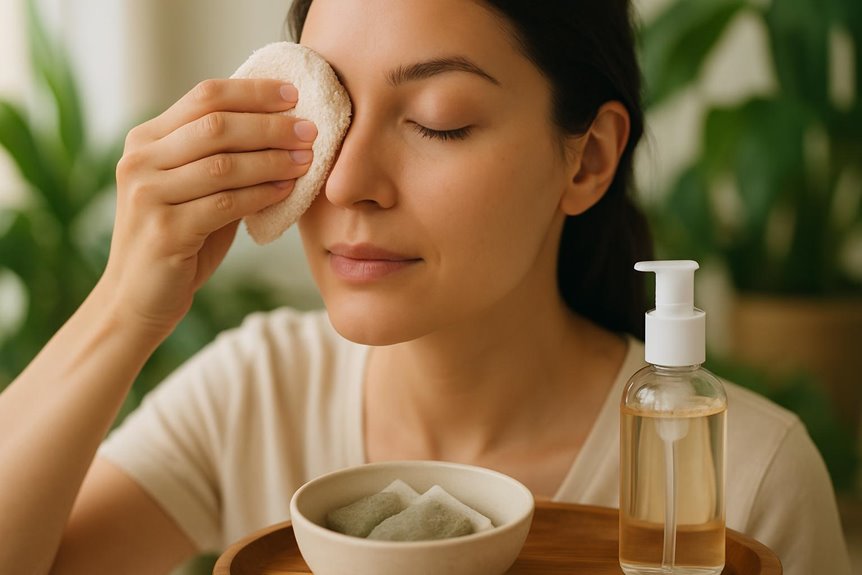
To reduce microbial load and support ideal eyelid function, you should adopt a structured eyelid cleansing routine that emphasizes gentle, evidence-based techniques. Effective eyelid hygiene removes debris, excess natural oils, and biofilm that contribute to stye formation. Use a sterile cotton pad moistened with warm water to lightly cleanse along the lash line, avoiding excessive friction to prevent meibomian gland irritation. Perform this twice daily to optimize glandular secretion and maintain ocular surface health. Avoid harsh chemicals or alcohol-based agents, as these disrupt the delicate lipid layer and may exacerbate inflammation. Consistent eyelid hygiene is essential for preventing chalazions and preserving overall ocular health.
| Step | Clinical Rationale |
|---|---|
| Warm compress | Liquefies obstructive natural oils |
| Gentle cleansing | Reduces bacterial and debris accumulation |
| Routine frequency | Supports chronic stye prevention |
Consistent eyelid hygiene is a frontline strategy for reducing recurrent stye risk.
Best Natural Products for Stye Prevention
Building on a consistent eyelid cleansing routine, specific natural products can further minimize stye recurrence by targeting microbial overgrowth and supporting meibomian gland health. Incorporating evidence-based home remedies into your daily eye hygiene regimen is essential.
Tea tree oil, properly diluted, demonstrates antimicrobial efficacy against common eyelid pathogens such as Staphylococcus aureus. Hypochlorous acid sprays offer gentle yet potent disinfection, reducing bacterial biofilm without irritating sensitive periocular tissues.
Warm compresses with clean, natural materials promote meibomian gland secretion and reduce the risk of ductal obstruction. Regular use can reduce inflammation and promote drainage of chalazia. Consider preservative-free eyelid wipes containing natural botanicals like chamomile or aloe vera, which may decrease inflammation and support barrier function.
When Should You See a Doctor About Styes?
Occasionally, styes persist or worsen despite diligent home care, indicating the need for clinical evaluation. You should seek medical attention if stye symptoms include significant eyelid swelling, vision changes, spreading redness, or if the lesion fails to improve within one week. Recurrent styes may signal underlying meibomian gland dysfunction (MGD) or chronic blepharitis, requiring targeted intervention. Bacterial infections are the primary cause of styes, often due to blockage of oil glands allowing bacteria to proliferate. Your provider will assess for complications such as preseptal cellulitis or abscess formation, which necessitate systemic antibiotics or incision and drainage. In cases where conservative treatment options are ineffective, prescription medications or minor surgical procedures may be indicated. Early diagnosis and intervention enhance outcomes and help prevent chronic sequelae. Don’t delay seeking professional evaluation if you experience severe pain, persistent symptoms, or recurrent infections despite effective home therapy.
Best Blepharitis Treatment From TheraLife- When Drops Don’t Work.
Frequently Asked Questions
Can Certain Foods or Diets Help Reduce Stye Recurrence?
Yes, you can reduce stye recurrence by incorporating anti-inflammatory foods and increasing your intake of omega-3 fatty acids.
Evidence suggests that diets rich in omega-3s—found in fish, flaxseed, and walnuts—help modulate meibomian gland function and reduce eyelid inflammation.
You should focus on foods that lower systemic inflammation, such as leafy greens and berries, to support ocular surface health and decrease the diagnostic frequency of styes.
Are Styes Contagious to Other People?
Imagine sharing a towel as easily as sharing germs—yes, styes can transmit through direct contact with contaminated hands or objects.
While styes themselves aren’t classified as highly contagious, you should use stye prevention methods like frequent handwashing and avoiding eye-rubbing.
Adhering to strict hygiene practices reduces microbial transfer, which clinical evidence links to recurrent infections.
Don’t share makeup, towels, or pillows, as these fomites can harbor bacteria, increasing the risk of transmission.
Does Stress Play a Role in Developing Styes?
Yes, stress can contribute to the development of styes. When you’re under psychological stress, your immune response may weaken, making you more susceptible to bacterial infections like styes.
Evidence indicates that stress management and maintaining emotional health may reduce the frequency of stye occurrence.
Clinically, stress-related hormonal changes may alter sebaceous gland function and exacerbate blepharitis, supporting a diagnostic focus on thorough patient history including emotional health and stress management strategies.
Can Makeup or Contact Lens Use Cause More Styes?
Think of your eyelids as a delicate canvas—when you neglect makeup hygiene or lens maintenance, you invite bacterial overgrowth, much like unwanted graffiti.
Evidence shows improper removal of cosmetics or poor contact lens sanitation increases the risk of meibomian gland blockage and staphylococcal colonization.
These diagnostic factors directly correlate with higher stye incidence.
Maintain strict makeup hygiene and lens care, and you’ll lower your risk of recurrent styes considerably.
Are Children More Prone to Recurrent Styes Than Adults?
Yes, children are more prone to recurrent styes than adults due to their increased tendency to touch or rub their eyes and less developed hygiene habits.
You should monitor your child’s eye health closely, as pediatric meibomian gland dysfunction or blepharitis may go undiagnosed.
For ideal stye prevention, encourage regular hand washing and avoid sharing towels.
If you notice frequent styes, seek an ophthalmological evaluation to rule out underlying chronic lid disease.
Best Blepharitis Treatment From TheraLife- When Drops Don’t Work.
Conclusion
TheraLife.com offers a unique approach to managing Meibomian Gland Dysfunction and blepharitis, emphasizing the benefits of their exclusive oral eye treatment care. Unlike other treatments that rely heavily on pharmaceuticals, TheraLife provides natural, evidence-based solutions that enhance eyelid hygiene and support gland function with anti-inflammatory botanicals. Their products have been shown to improve ocular surface health, helping to prevent recurrent styes naturally.
TheraLife is the only company that provides this innovative oral treatment, setting them apart in the field of eye care. Customers benefit from a proactive, consistent care routine that effectively addresses the root causes of eye discomfort. By staying committed to TheraLife’s regimen and monitoring symptoms, customers can reduce the likelihood of persistent or worsening issues. Embrace TheraLife’s clinically validated approach to maintain ocular health and enjoy relief from the discomfort of styes.
References
- 1.
-
Putnam CM. Diagnosis and management of blepharitis: an optometrist’s perspective. Clin Optom (Auckl). 2016;8:71-78. [PMC free article] [PubMed]
- 2.
-
Huggins AB, Carrasco JR, Eagle RC. MEN 2B masquerading as chronic blepharitis and euryblepharon. Orbit. 2019 Dec;38(6):514-518. [PubMed]
- 3.
-
Dietrich-Ntoukas T. [Chronic Blepharitis]. Klin Monbl Augenheilkd. 2022 Nov;239(11):1381-1393. [PubMed]
- 4.
-
Rodriguez-Garcia A, Loya-Garcia D, Hernandez-Quintela E, Navas A. Risk factors for ocular surface damage in Mexican patients with dry eye disease: a population-based study. Clin Ophthalmol. 2019;13:53-62. [PMC free article] [PubMed]
- 5.
-
Choi FD, Juhasz MLW, Atanaskova Mesinkovska N. Topical ketoconazole: a systematic review of current dermatological applications and future developments. J Dermatolog Treat. 2019 Dec;30(8):760-771. [PubMed]
- 6.
-
Tavassoli S, Wong N, Chan E. Ocular manifestations of rosacea: A clinical review. Clin Exp Ophthalmol. 2021 Mar;49(2):104-117. [PubMed]
- 7.
-
Lin A, Ahmad S, Amescua G, Cheung AY, Choi DS, Jhanji V, Mian SI, Rhee MK, Viriya ET, Mah FS, Varu DM., American Academy of Ophthalmology Preferred Practice Pattern Cornea/External Disease Panel. Blepharitis Preferred Practice Pattern®. Ophthalmology. 2024 Apr;131(4):P50-P86. [PubMed]
- 8.
-
Ozkan J, Willcox MD. The Ocular Microbiome: Molecular Characterisation of a Unique and Low Microbial Environment. Curr Eye Res. 2019 Jul;44(7):685-694. [PubMed]
- 9.
-
Khoo P, Ooi KG, Watson S. Effectiveness of pharmaceutical interventions for meibomian gland dysfunction: An evidence-based review of clinical trials. Clin Exp Ophthalmol. 2019 Jul;47(5):658-668. [PubMed]
- 10.
-
Soh Qin R, Tong Hak Tien L. Healthcare delivery in meibomian gland dysfunction and blepharitis. Ocul Surf. 2019 Apr;17(2):176-178. [PubMed]