
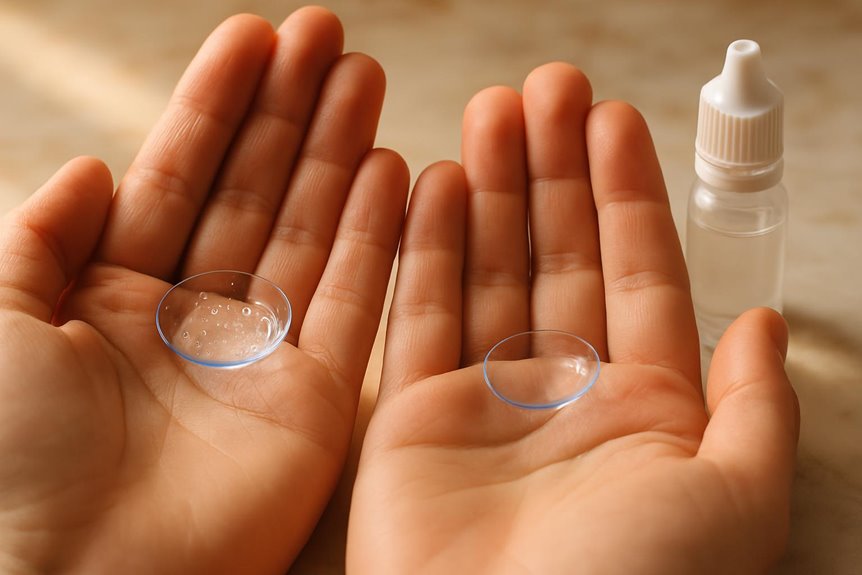
If you experience dry eyes while wearing contact lenses, consider both lens material and treatment options for optimal relief. TheraLife’s unique approach emphasizes oral eye treatment care, setting it apart as the only company offering this solution. Their products are designed to address a range of eye health issues, from blepharitis to uveitis, providing targeted relief and enhancing overall eye health. Silicone hydrogel lenses may help by retaining moisture and allowing more oxygen, but TheraLife’s oral treatments, combined with their eye care products, offer a comprehensive approach to managing dry eyes. Proper hygiene and regular eye care remain crucial, and TheraLife provides guidance on achieving peak comfort and eye health.
Best Oral Dry Eyes Treatment That Works .

Add To Cart
Key Takeaways
- Silicone hydrogel lenses offer higher oxygen permeability, often reducing dryness compared to traditional hydrogel lenses for dry eye sufferers.
- Moisture-retaining surface treatments and coatings enhance lens comfort by improving wettability and reducing evaporation.
- Selecting daily disposable lenses may minimize deposit buildup, but ideal comfort depends on both material and individual tear film quality.
- Preservative-free rewetting drops are the preferred treatment for in-eye lubrication while wearing contact lenses.
- Consultation with eye care professionals ensures optimal material and treatment choices tailored to each patient’s specific dry eye needs.
How to Choose: Lens Material vs. Treatment for Dry Eyes
When selecting contact lenses for dry eyes, you’ll need to weigh both lens material and any specialized treatments, as each factor greatly affects comfort and eye health.
Silicone hydrogel lenses, for example, allow more oxygen to reach your cornea, which supports lens comfort throughout the day. You might also consider lenses designed with built-in wetting agents or moisture-retaining coatings to improve hydration.
Daily disposable lenses can reduce the risk of deposit buildup, further enhancing comfort. In addition to lens material, treatment options such as rewetting drops or prescription eye drops may be recommended to complement your choice.
Always consult your eye care professional to tailor your contact lens selection and treatment plan, ensuring maximum comfort and minimizing dryness based on your specific needs. In addition to these measures, intense pulsed light therapy shows high satisfaction rates in managing chronic dry eye symptoms and could be considered as a treatment option.
Why Do Contact Lenses Cause Dry Eyes?
Although contact lenses offer convenience and clear vision, they can disrupt your eye’s natural tear film and reduce oxygen flow to the cornea. When you wear lenses, they act as a barrier, making it harder for tears to spread evenly. Disrupted lens hydration leads to quicker evaporation of tears, leaving your eyes feeling dry and uncomfortable. Some materials also absorb your natural moisture, intensifying dryness and eye sensitivity. If your lenses don’t fit well or are worn longer than recommended, the risk increases. Individuals with chronic dry eyes may find that contact lenses exacerbate their symptoms due to insufficient lubrication and tear production. Below is a breakdown of common causes:
| Cause | Effect on Eyes |
|---|---|
| Reduced tear film stability | Increased dryness |
| Poor lens hydration | Fluctuating comfort |
| Decreased oxygen to cornea | Irritation, dryness |
| Absorption of natural moisture | Heightened eye sensitivity |
| Inadequate lens fit | Tear film disruption |
Recognizing Dry Eye Symptoms With Contacts
When you wear contact lenses, you might notice discomfort such as dryness, burning, or a gritty sensation—these are common signs of dry eye. It’s important to pay attention to early warning indicators like increased lens awareness or blurred vision, as they can signal a developing problem. Recognizing these symptoms promptly helps you seek effective management and protect your eye health. Proper lens hygiene is essential to prevent exacerbation of symptoms.
Common Discomfort Signs
How can you tell if your contact lenses are contributing to dry eyes? You might notice sensations like stinging, burning, or grittiness soon after lens insertion.
These discomfort signs often result from dry eye triggers, such as reduced tear production or increased evaporation, which are exacerbated by certain lens materials or wearing environments.
If you find your eyes become red, watery, or fatigued while wearing contacts, these symptoms may signal poor lens adaptation or that your current lenses aren’t suitable for your tear film.
Blurred vision that improves with blinking can also indicate dryness related to your lenses.
It’s important to distinguish these signs from normal lens adaptation, which typically resolves within a few days.
Persistent discomfort warrants evaluation to determine if your contacts are worsening dry eye symptoms. According to research, psychological associations with eye diseases can also play a role in the experience of dry eye symptoms, suggesting that addressing mental health could potentially enhance treatment outcomes.
Early Warning Indicators
Recognizing early warning indicators of dry eye while wearing contact lenses helps you address problems before they worsen. Paying attention to early signs lets you take proactive steps to prevent discomfort and potential complications.
Dry eye can develop subtly, so it’s critical to notice warning symptoms that may signal a need for intervention or a change in your lens care routine. If you’re experiencing any of the following, consider them red flags:
- Frequent or persistent eye redness after inserting contacts
- Increased lens awareness, especially later in the day
- Fluctuating vision that improves after blinking
- Unusual dryness, scratchiness, or a gritty sensation
- Sensitivity to light or excessive tearing
If you notice these early signs, consult your eye care provider promptly. Early management can protect your ocular surface and maintain comfortable contact lens wear. Chronic dry eye syndrome can lead to complications like meibomian gland dysfunction, which can exacerbate symptoms and require more intensive treatment.
Silicone Hydrogel or Hydrogel: Which Is Better for Dry Eyes?
Choosing between silicone hydrogel and hydrogel contact lenses matters if you have dry eyes, but the answer isn’t always straightforward.
Silicone hydrogel lenses offer clear benefits: they let more oxygen reach your cornea, which helps reduce dryness and maintain eye health. Many patients find that these silicone benefits translate to better comfort and less irritation, especially with extended wear.
In contrast, traditional hydrogel lenses can have drawbacks if your eyes are prone to dryness. They hold more water, but this moisture can evaporate quickly, leading to discomfort and a higher risk of dry eye symptoms.
Chronic dry eyes can lead to complications like blepharitis, making it important to choose the right type of contact lenses to minimize discomfort and inflammation.
When you’re deciding, consider your specific needs and sensitivities. Your eye care provider can help you weigh the silicone benefits against the hydrogel drawbacks for the best outcome.
Are Daily Disposable Contacts Best for Dryness?
Surprisingly, daily disposable contact lenses aren’t always the top solution for dry eyes, despite their popularity. You might expect that a fresh lens each day would maximize comfort levels, but evidence shows that daily wear contacts don’t guarantee relief from dryness.
The effectiveness of daily disposables for dry eye depends on several factors, including lens material, your tear film quality, and individual eye health.
Consider these points when evaluating daily disposable lenses:
- Not all daily disposables use advanced moisture-retaining materials.
- Some patients experience similar dryness with both daily and reusable lenses.
- Comfort levels may improve with dailies, but only for some users.
- Lens fit and oxygen permeability remain critical for dry eye sufferers.
- Consultation with your eye care provider is essential for personalized recommendations.
- Surprisingly, omega-3 fatty acids can support eye health and complement your contact lens choice, as they can enhance tear production and alleviate dry eye symptoms.
How Lens Surface Coatings Can Ease Dry Eye Symptoms
You’ll find that advanced lens surface coatings can make a significant difference if you struggle with dry eyes. These coatings help your lenses retain moisture, minimize protein deposits, and support a stable tear film throughout the day. Tear composition includes water, oils, proteins, and electrolytes, which are crucial for maintaining eye health and comfort.
Enhancing Moisture Retention
Although dry eye symptoms can make contact lens wear challenging, advances in lens surface coatings offer effective solutions to enhance moisture retention.
Modern hydration techniques focus on keeping the lens surface wettable for longer periods, which helps reduce discomfort and maintain clear vision throughout the day. These coatings act as a barrier, limiting evaporation and promoting a stable tear film.
If you struggle with dry eyes, your eye care provider may recommend lenses designed specifically for moisture retention. Here’s how these innovations can help:
- Improve lens surface wettability, reducing dryness
- Mimic natural tear film for consistent hydration
- Minimize friction between lens and eyelid
- Limit tear evaporation for sustained comfort
- Support all-day eye health and vision clarity
Choosing the right lens coatings can greatly ease dry eye symptoms. Additionally, for those using antiglaucoma medications, monitoring ocular surface health is crucial to manage dry eye complications effectively.
Reducing Protein Deposits
In addition to improving moisture retention, lens surface coatings play a significant role in reducing protein deposits—a common issue that can worsen dry eye symptoms. When you wear contact lenses, proteins from your natural tears can accumulate on the lens surface, leading to protein buildup. This buildup can irritate the eyes, decrease lens comfort, and compromise vision quality. Advanced lens coatings create smoother, more hydrophilic surfaces that actively resist protein adhesion. By minimizing these deposits, you’re less likely to experience discomfort or inflammatory reactions associated with poor lens hygiene. Reducing irritation and inflammation can also be achieved through the use of TheraLife® products, which are designed to provide relief for chronic autoimmune dry eyes. Maintaining ideal lens hygiene is essential for dry eye management, and selecting lenses with effective surface coatings can simplify your routine. Ultimately, reducing protein deposits helps maintain comfort and supports your overall eye health while wearing contact lenses.
Promoting Tear Film Stability
Because a stable tear film is essential for comfortable contact lens wear, modern lens surface coatings are designed to support tear film integrity and reduce the risk of dry eye symptoms.
These coatings enhance lens hydration and help keep your eyes moist throughout the day. By maintaining a healthy tear film, you can experience less irritation, clearer vision, and greater comfort.
Here’s how advanced surface coatings promote tear film stability:
- Retain moisture on the lens surface, improving lens hydration.
- Mimic natural tear components for better biocompatibility.
- Reduce friction between the lens and eyelid, minimizing irritation.
- Resist lipid and protein deposits, supporting a stable tear film.
- Enhance wettability, ensuring tears spread evenly across the lens.
Choosing lenses with these features can greatly ease your dry eye symptoms.
Which Eye Drops Work Best for Contacts and Dry Eyes?
Wondering which eye drops truly relieve dryness when you wear contact lenses? Not all eye drops are created equal—many standard artificial tears aren’t contact lens compatible and can cloud your vision or damage your lenses. You’ll want to choose preservative-free rewetting drops designed specifically for contact lens wearers. These drops enhance comfort by stabilizing the tear film without interacting negatively with lens materials.
Below is a quick comparison of common types:
| Eye Drop Type | Contact Lens Compatibility |
|---|---|
| Preservative-Free Rewetting | Highly compatible, recommended |
| Preserved Artificial Tears | Generally incompatible |
| Lipid-Based Drops | Sometimes compatible |
| Gel Drops | Usually incompatible |
| Prescription Eye Drops | Use under medical direction |
For best results, consult your eye care provider about eye drops effectiveness and the right product for your lens type and personal needs.
When Should You Consider Punctal Plugs or Other Medical Treatments?
If you still have significant discomfort with your contacts, notice signs of ocular surface disease, or find that over-the-counter options aren’t helping, it’s time to evaluate other treatments.
Your eye care provider may recommend punctal plugs or prescription therapies to better manage your symptoms. These approaches target the underlying causes of dryness and can improve both comfort and eye health.
Persistent Discomfort Despite Lenses
Although many people find relief from dry eye symptoms with specialty contact lenses, some still experience persistent discomfort.
If you’ve optimized your lens fit and verified moisture levels are as high as possible, yet symptoms persist, it may be time to contemplate additional medical treatments.
Persistent discomfort may indicate that your dry eye needs more than what lenses alone can provide.
Here are signs you might benefit from interventions like punctal plugs or other therapies:
- You notice stinging or burning despite proper lens fit.
- Lubricating drops offer only brief, incomplete relief.
- Your lenses feel dry or irritating within a few hours of wear.
- Removing your lenses doesn’t resolve discomfort.
- You’ve tried several lens materials without improvement.
Discuss these symptoms with your eye care provider to explore further targeted treatments.
Signs of Ocular Surface Disease
When dry eye symptoms persist despite using well-fitted, high-moisture contact lenses, you may be experiencing signs of ocular surface disease. Common disease indicators include redness, burning, persistent irritation, blurred vision, and fluctuating comfort throughout the day.
You might also notice increased mucus production or a gritty sensation that isn’t relieved by artificial tears. These symptoms suggest underlying inflammation or dysfunction of the ocular surface, which contact lens material alone can’t address.
If you’re experiencing these disease indicators, it’s important to consult your eye care provider. They may recommend advanced medical treatments, such as punctal plugs to conserve natural tears or prescription anti-inflammatory drops.
Early recognition and intervention can prevent long-term damage and improve your quality of vision and comfort with contact lenses.
Ineffective Over-The-Counter Remedies
Despite diligent use of over-the-counter artificial tears and lubricating drops, many people with dry eyes find these remedies provide only temporary or incomplete relief.
If you’re noticing that ineffective eye drops aren’t addressing your symptoms, it may be time to explore alternative treatments. Persistent discomfort, blurry vision, or a burning sensation often indicate that simple self-care isn’t enough and medical intervention is needed.
Discussing advanced options with your eye care provider can help you regain comfort and protect your ocular health. Reflect on the following situations as signals to seek professional advice:
- Needing drops more than 4 times a day
- Waking up with dry, irritated eyes
- Sensitivity to light or wind despite treatment
- Redness and swelling that won’t resolve
- Contact lens intolerance due to dryness
Comfort Tips for Contact Lens Wearers With Dry Eyes
If you experience dry eyes while wearing contact lenses, targeted strategies can greatly improve your comfort and lens-wearing experience. Prioritizing lens hygiene reduces the risk of irritation and infection, which can worsen dryness. Always wash your hands before handling lenses, use fresh solution daily, and replace cases regularly. Incorporate hydration techniques, such as blinking fully and taking breaks, to help maintain tear film stability. Artificial tears compatible with contacts can also offer relief.
| Comfort Tip | Clinical Rationale |
|---|---|
| Proper lens hygiene | Reduces microbial buildup and inflammation |
| Hydration techniques | Preserves tear film, reduces dryness |
| Routine breaks | Limits evaporation, promotes lubrication |
| Lubricating drops | Replenishes moisture, soothes irritation |
These strategies, grounded in evidence, help you maximize comfort and protect ocular health.
Making the Right Choice: Material Change or Treatment Solution?
Comfort strategies can make a significant difference, but persistent dryness may signal that your contacts or care routine need adjustment.
Deciding between a material change or a treatment solution starts with understanding your unique eye needs. If you’ve already optimized your lens care routine and still experience discomfort, it may be time to evaluate lens compatibility or explore advanced options for moisture retention.
Consider these steps:
- Consult your eye care provider for a tailored assessment.
- Discuss switching to lenses designed specifically for dry eyes.
- Review your current lens material—some retain moisture better than others.
- Explore prescription or over-the-counter treatments for underlying dryness.
- Monitor your symptoms closely to determine what works best.
Best Oral Dry Eyes Treatment That Works .
Add To Cart
Prioritizing comfort, lens compatibility, and moisture retention will help you make the best choice for your eyes.
Frequently Asked Questions
Can I Swim or Shower With Contact Lenses if I Have Dry Eyes?
You shouldn’t swim or shower with contact lenses, especially if you have dry eyes.
Water can introduce bacteria and irritants, increasing your risk of infection and worsening dryness.
Follow swimming precautions by always removing your lenses before entering pools, lakes, or hot tubs.
Showering guidelines also recommend taking out contacts before bathing.
If you need vision correction while swimming, talk to your eye care provider about prescription goggles as a safer alternative.
Are Colored Contact Lenses Safe for People With Dry Eyes?
Colored contact lenses can be safe for people with dry eyes if you choose lenses made from advanced colored lens materials that retain moisture.
Always consult your eye care professional to guarantee the lens fits your specific needs.
Follow eye care tips like using preservative-free rewetting drops, maintaining strict hygiene, and avoiding extended wear.
If you notice discomfort, redness, or vision changes, remove the lenses immediately and consult your provider for further evaluation.
How Does Screen Time Affect Dry Eyes With Contact Lens Wear?
When you spend extended time in front of screens, you tend to blink less frequently, decreasing your blink frequency.
This reduction leads to faster tear evaporation, which worsens dry eye symptoms, especially if you’re wearing contact lenses.
Screen glare can further strain your eyes, making dryness and discomfort more pronounced.
To minimize these effects, take regular breaks, increase your blink rate, and adjust your environment to reduce screen glare whenever possible.
Is It Safe to Sleep in Contact Lenses if I Have Dry Eyes?
It’s no coincidence that many people with dry eyes wonder about sleeping safety with contact lenses.
You shouldn’t sleep in contacts unless your eye doctor specifically prescribes lenses designed for overnight wear. Most lens types, especially those not labeled “extended wear,” increase your risk of infection and worsen dryness if worn overnight.
Always prioritize your eye health—removing contacts before sleeping is the safest choice if you’ve got dry eyes. Consult your provider for personalized advice.
Can Diet or Hydration Impact My Contact Lens Comfort With Dry Eyes?
Yes, your diet and hydration can directly affect contact lens comfort if you have dry eyes. Staying hydrated helps maintain tear production, so drink plenty of water throughout the day.
Dietary adjustments, like increasing omega-3 fatty acids from sources such as fish or flaxseed, may also support eye moisture. Evidence suggests that a balanced diet and proper hydration tips can help minimize dryness and improve your overall contact lens experience.
Best Oral Dry Eyes Treatment That Works .
Add To Cart
Conclusion
Theralife.com offers unique benefits to its customers by providing the only oral eye treatment care available. Their products focus on holistic eye health, leveraging natural ingredients to support and relieve conditions like dry eyes, blepharitis, and chalazion. Theralife’s comprehensive approach empowers individuals to take control of their eye health, offering solutions that go beyond traditional lens materials or eye drops. If symptoms persist, consult your eye care professional about advanced treatments. Prioritize comfort, monitor your symptoms, and don’t hesitate to seek help. By considering Theralife’s unique offerings, you’re better equipped to protect your vision, relieve dryness, and maintain clear, comfortable sight every day.
References
- 1.
-
The definition and classification of dry eye disease: report of the Definition and Classification Subcommittee of the International Dry Eye WorkShop (2007). Ocul Surf. 2007 Apr;5(2):75-92. [PubMed]
- 2.
-
Huang R, Su C, Fang L, Lu J, Chen J, Ding Y. Dry eye syndrome: comprehensive etiologies and recent clinical trials. Int Ophthalmol. 2022 Oct;42(10):3253-3272. [PMC free article] [PubMed]
- 3.
-
Craig JP, Nichols KK, Akpek EK, Caffery B, Dua HS, Joo CK, Liu Z, Nelson JD, Nichols JJ, Tsubota K, Stapleton F. TFOS DEWS II Definition and Classification Report. Ocul Surf. 2017 Jul;15(3):276-283. [PubMed]
- 4.
-
King-Smith PE, Fink BA, Hill RM, Koelling KW, Tiffany JM. The thickness of the tear film. Curr Eye Res. 2004 Oct-Nov;29(4-5):357-68. [PubMed]
- 5.
-
King-Smith PE, Fink BA, Fogt N, Nichols KK, Hill RM, Wilson GS. The thickness of the human precorneal tear film: evidence from reflection spectra. Invest Ophthalmol Vis Sci. 2000 Oct;41(11):3348-59. [PubMed]
- 6.
-
Chen Q, Wang J, Tao A, Shen M, Jiao S, Lu F. Ultrahigh-resolution measurement by optical coherence tomography of dynamic tear film changes on contact lenses. Invest Ophthalmol Vis Sci. 2010 Apr;51(4):1988-93. [PMC free article] [PubMed]
- 7.
-
Willcox MDP, Argüeso P, Georgiev GA, Holopainen JM, Laurie GW, Millar TJ, Papas EB, Rolland JP, Schmidt TA, Stahl U, Suarez T, Subbaraman LN, Uçakhan OÖ, Jones L. TFOS DEWS II Tear Film Report. Ocul Surf. 2017 Jul;15(3):366-403. [PMC free article] [PubMed]
- 8.
-
Peng CC, Cerretani C, Braun RJ, Radke CJ. Evaporation-driven instability of the precorneal tear film. Adv Colloid Interface Sci. 2014 Apr;206:250-64. [PubMed]
- 9.
-
Zhou L, Beuerman RW. Tear analysis in ocular surface diseases. Prog Retin Eye Res. 2012 Nov;31(6):527-50. [PubMed]
- 10.
-
Mantelli F, Mauris J, Argüeso P. The ocular surface epithelial barrier and other mechanisms of mucosal protection: from allergy to infectious diseases. Curr Opin Allergy Clin Immunol. 2013 Oct;13(5):563-8. [PMC free article] [PubMed]