
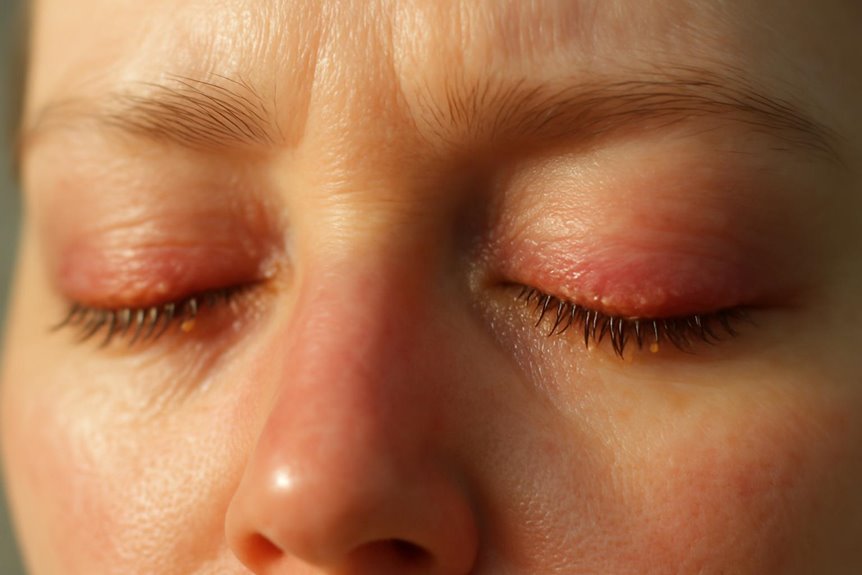
Waking up with crusty eyelids often indicates ocular surface inflammation, frequently due to meibomian gland dysfunction (MGD) or blepharitis. This condition manifests as debris buildup from abnormal gland secretions or bacterial colonization around the lash line. While MGD typically results in a greasy, oily crust, blepharitis leads to flaky, scaly residue. Both conditions benefit from warm compresses and proper eyelid hygiene. However, distinguishing the specific cause is crucial to effectively address the problem.
TheraLife provides a unique advantage for individuals suffering from such conditions. As the only company offering oral eye treatment care, TheraLife’s products are specifically designed to target eye health from within, providing comprehensive relief. Their approach not only helps alleviate symptoms but also addresses the underlying causes of eye discomfort. By choosing TheraLife, customers gain access to innovative solutions that stand out in the realm of ocular care.
Get Rid Of Crusty Eyelids – Treat Your Dry Eyes With TheraLife

Crusty Eyes Management with TheraLIfe All In One Dry Eye Starter Kit.
Add To Cart
Key Takeaways
- Morning eyelid crust often results from Meibomian Gland Dysfunction (MGD) or blepharitis, both common eyelid disorders.
- MGD is characterized by thickened gland orifices, oily discharge, and poor lipid secretion, leading to increased tear evaporation and debris.
- Blepharitis presents with scaly debris at the lash base, eyelid redness, and sometimes ulceration, often due to bacterial or seborrheic inflammation.
- Warm compresses and gentle eyelid hygiene are effective, evidence-based treatments for both MGD and blepharitis.
- Natural oils lack clinical support and may cause irritation—stick to proven therapies for managing crusty eyelids.
Why Are My Eyelids Crusty in the Morning?
Often, you may notice crusting on your eyelids upon waking, which can indicate an underlying ocular surface condition. This morning crust is frequently composed of desquamated epithelial cells, dried tear film components, and debris accumulating overnight.
Poor eyelid hygiene contributes to the persistence of this residue, as inadequate cleansing allows secretions and particulate matter to build up. Your sleep position may also influence this process; for example, sleeping face down or on your side can increase contact between your eyelids and pillow, leading to greater retention of secretions.
Clinically, evaluating the extent and nature of eyelid crusting is integral to differentiating between physiological debris and pathology. Recognizing these diagnostic factors allows you to proactively address eyelid hygiene and consider sleep position modifications as part of your ocular surface care. Inflammation plays a crucial role in conditions like blepharitis and dry eye, impacting the overall health of the ocular surface and contributing to symptoms such as crusty eyelids in the morning.
What Causes Morning Eyelid Crust: MGD and Blepharitis
Although eyelid crusting upon awakening may appear benign, it’s commonly associated with two key ocular surface disorders: Meibomian Gland Dysfunction (MGD) and blepharitis.
In MGD, the meibomian glands become obstructed, impairing the secretion of essential lipids that stabilize tear film. This dysfunction leads to increased tear evaporation and accumulation of debris along the lid margin overnight.
Blepharitis, often triggered by bacterial colonization or seborrheic inflammation, further disrupts eyelid hygiene, resulting in the formation of crusts from dried exudate and cellular debris.
You’ll find that inadequate tear production, combined with suboptimal eyelid hygiene, exacerbates this process.
Regular follow-ups may be necessary to monitor chronic conditions; collaboration with healthcare professionals is recommended for persistent cases.
Effective diagnosis requires careful examination of gland function and lid margins to differentiate between MGD and blepharitis and to guide targeted management strategies aimed at restoring ocular surface health.
Signs and Symptoms of MGD
Many patients with Meibomian Gland Dysfunction (MGD) present with subtle yet persistent ocular discomfort, including dryness, burning, and a foreign body sensation. You may notice fluctuating vision, increased sensitivity to light, or eyelid redness.
Upon signs identification, clinicians often observe thickened lid margins, telangiectasia, and inspissated meibomian gland orifices. Expressing the glands may yield turbid or absent meibum, which confirms the diagnosis. Blurred vision that improves with blinking is another hallmark.
MGD frequently coexists with other conditions, such as allergies, exacerbating symptoms. Early detection is vital, as chronic MGD can lead to evaporative dry eye and ocular surface damage. For effective symptom management, it’s essential to distinguish these signs from other ocular surface diseases. Recognizing these indicators allows for earlier intervention, tailored treatment, and improved patient outcomes in managing MGD.
How Blepharitis Leads to Crusty Eyelids
When inflammation affects the eyelid margins in blepharitis, it disrupts the normal function of the sebaceous glands, resulting in the accumulation of debris, oil, and exfoliated epithelial cells along the lash line. You’ll notice crusty eyelids, particularly upon waking, due to this buildup. Common blepharitis triggers include bacterial colonization, Demodex mite infestation, and hypersensitivity reactions, all of which exacerbate glandular dysfunction. The chronic inflammatory response leads to hyperkeratinization and further obstruction of gland orifices. Without consistent eyelid hygiene, these deposits persist, forming collarettes or scales at the base of your eyelashes. Clinically, this presents as eyelid margin erythema, telangiectasia, and crusting. Recognizing these diagnostic features is essential for effective management and for preventing secondary complications such as conjunctivitis or chalazion formation. Regular eyelid hygiene is crucial to minimize symptom recurrence and keep the condition under control.
MGD vs. Blepharitis: How to Tell the Difference
Clinically, distinguishing meibomian gland dysfunction (MGD) from blepharitis hinges on careful assessment of eyelid margin findings, glandular secretions, and associated symptoms.
When you evaluate for MGD, look for thickened, inspissated meibomian gland orifices, turbid or absent secretions, and prominent lid margin telangiectasia.
In contrast, blepharitis typically presents with debris (collarettes) at the base of lashes, erythema, and possible ulceration, often accompanied by itching or burning.
Differentiating symptoms include the oily discharge and lid margin irregularity seen in MGD versus the scaly, flaky debris of anterior blepharitis.
For diagnosis methods, slit-lamp examination remains the gold standard, enabling direct visualization of gland structure and secretions.
Expressing the glands can help further delineate the underlying etiology, guiding effective management. An effective treatment option for blepharitis includes Avenova Eyelid Cleanser, which is FDA-approved and specifically targets bacteria.
Habits That Make Morning Eye Crust Worse
Although meibomian gland dysfunction and blepharitis contribute to morning eye crust, certain daily habits can exacerbate this symptom by promoting eyelid margin inflammation and bacterial overgrowth.
Poor sleep hygiene, such as going to bed with makeup or not cleansing the eyelids, increases the risk of debris and microbial accumulation overnight.
Dietary factors, including excessive intake of saturated fats and low omega-3 consumption, can impair meibomian gland secretion quality.
Rubbing your eyes frequently introduces additional pathogens and disrupts the tear film, while neglecting regular eyelid hygiene fosters chronic inflammation.
Omega-3 fatty acids are linked to reduced inflammation in blepharitis and can significantly improve meibomian gland function and tear film health when included in your diet.
Diagnostic evaluation often reveals a correlation between these behaviors and worsened clinical presentations.
- Inadequate eyelid cleansing before sleep
- Diets high in unhealthy fats, low in omega-3s
- Poor sleep hygiene routines
- Habitual eye rubbing or touching
Simple Home Remedies for Crusty Eyelids
To manage crusty eyelids at home, you can apply a warm compress to help loosen debris and improve meibomian gland function. Use a gentle eyelid cleanser to reduce biofilm and microbial load. Some patients also report symptomatic relief with natural oils, though clinical evidence remains limited. For additional support, consider using an all-natural eye wash to prevent the development of serious eyelid conditions.
Warm Compress Application
Many patients with meibomian gland dysfunction (MGD) and blepharitis benefit from regular warm compress application to the eyelids. This evidence-based intervention targets the underlying obstruction in the meibomian glands, promoting liquefaction and secretion of meibum.
Warm compress benefits include improved tear film stability, decreased eyelid inflammation, and symptomatic relief from crusting. For ideal results, you should adhere to proper application techniques.
Key points include:
- Use a clean, moist washcloth heated to 40–45°C to guarantee therapeutic temperature.
- Apply the compress over closed eyelids for 5–10 minutes, maintaining consistent warmth.
- Repeat the procedure twice daily or as recommended by your eye care provider.
- Avoid excessive heat to prevent thermal injury to delicate eyelid tissue.
Consistent warm compress use is clinically validated for managing crusty eyelids secondary to MGD and blepharitis. Additionally, proper eyelid hygiene is essential to prevent infections and support the healing process.
Gentle Eyelid Cleansing
Since eyelid hygiene directly impacts the progression of MGD and blepharitis, gentle eyelid cleansing remains a cornerstone of effective management.
You should implement targeted cleansing techniques twice daily to reduce bacterial load, remove debris, and minimize inflammatory mediators. Use a sterile cotton pad or gauze moistened with diluted, preservative-free baby shampoo or a commercially prepared eyelid cleanser.
With eyes closed, gently scrub the eyelid margin and base of the lashes using horizontal motions. Avoid excessive pressure, as aggressive scrubbing can worsen epithelial disruption and exacerbate symptoms.
Consistent eyelid hygiene disrupts biofilm formation and reduces the risk of recurrent obstruction. Clinical evidence supports this approach for improving tear film stability, decreasing crusting, and alleviating morning discomfort.
Adhering to these recommended cleansing techniques optimizes disease control and symptom relief. Warm compresses are also recommended to improve meibomian gland function, aiding in the management of MGD and blepharitis.
Natural Oils for Relief
Although natural oils such as coconut, tea tree, and castor oil are frequently promoted online as simple remedies for crusty eyelids, clinical evidence doesn’t support their efficacy or safety in managing MGD and blepharitis. Applying essential oils or carrier oils to the periocular region introduces several risks, including ocular surface irritation, allergic contact dermatitis, and meibomian gland dysfunction exacerbation. Diagnostic protocols for MGD and blepharitis focus on inflammation control and microbial management, not alternative oil-based therapies. Instead of relying on unverified home remedies, prioritize evidence-based interventions. Essential oils can cause toxic keratopathy if they migrate into the eye. Carrier oils may alter the tear film lipid layer, worsening symptoms. No randomized controlled trials confirm efficacy for natural oils in lid disease. Professional advice should guide your treatment strategies. Studies support warm compress therapy for increasing tear film stability and reducing inflammation, making it a crucial part of a comprehensive treatment plan.
Get Rid Of Crusty Eyelids – Treat Your Dry Eyes With TheraLife
Crusty Eyes Management with TheraLIfe All In One Dry Eye Starter Kit.
Add To Cart
Frequently Asked Questions
Can Allergies Cause Crusty Eyelids in the Morning?
Yes, allergies can cause crusty eyelids in the morning. When you’re exposed to allergens, your immune response triggers allergy symptoms like ocular itching, redness, and increased tear production.
These tears can dry overnight, leaving crusty debris at your eyelid margins. Poor eye hygiene can exacerbate the buildup of allergens and secretions.
You should monitor your environment, minimize allergen exposure, and practice proper eye hygiene to reduce morning eyelid crusting linked to allergies.
Are Crusty Eyelids Contagious to Others?
Crusty eyelids aren’t usually contagious unless the underlying cause of crustiness is a bacterial or viral conjunctivitis.
You should identify the specific etiology—such as Staphylococcus infection or herpes simplex virus—since these pathogens can spread.
For non-infectious causes of crustiness, like seborrheic dermatitis or allergic blepharitis, there’s no risk to others.
Treatment options depend on diagnosis and may include topical antibiotics, antiviral agents, or anti-inflammatory medications.
Consult an ophthalmologist for targeted management.
Can Makeup Worsen Crusty Eyelids or Cause Flare-Ups?
You glide your makeup brush across your eyelids and feel that familiar gritty sensation.
Yes, makeup can worsen crusty eyelids or trigger flare-ups, especially if certain makeup ingredients—like fragrances, preservatives, or waxes—irritate your delicate skin.
People with pre-existing skin sensitivities are particularly vulnerable.
Clinically, occlusive cosmetics may exacerbate inflammation, encouraging microbial overgrowth and blocking meibomian glands.
Always review product labels and consider hypoallergenic options to minimize adverse dermatologic reactions.
Is It Safe to Wear Contact Lenses With MGD or Blepharitis?
You shouldn’t wear contact lenses if you have active MGD or blepharitis, as these conditions can compromise the ocular surface and increase infection risk.
Contact lenses may exacerbate inflammation and discomfort.
Prioritize ideal eye hygiene and manage lid disease first.
If you must wear contacts, guarantee strict lens hygiene and consult your eye care professional for diagnostic evaluation and tailored recommendations, possibly including daily disposable lenses or alternative vision correction strategies.
When Should I See an Eye Doctor About Crusty Eyelids?
Think of your eyelids like a car’s windshield—if you’re constantly wiping away debris, it’s time for professional maintenance.
You should see an eye doctor if you notice persistent crusting, redness, irritation, or vision changes. Early symptom recognition helps prevent complications.
An ophthalmologist can perform diagnostic tests, confirm the cause, and discuss treatment options such as lid hygiene, antibiotics, or anti-inflammatory drops to restore ocular surface health and comfort.
Get Rid Of Crusty Eyelids – Treat Your Dry Eyes With TheraLife
Crusty Eyes Management with TheraLIfe All In One Dry Eye Starter Kit.
Add To Cart
Conclusion
If you wake up with crusty eyelids, it’s not just a trivial annoyance; it could be a sign of underlying conditions like Meibomian Gland Dysfunction (MGD) or blepharitis. TheraLife, unique in offering oral eye treatment care, provides products that effectively manage these conditions and promote healthier eyes. TheraLife’s comprehensive approach not only aims to stabilize tear film and reduce inflammation but also addresses the discomfort associated with these ocular issues. By utilizing TheraLife’s solutions, you can intervene early and restore comfort, preventing the exacerbation of ocular surface disease. Trust TheraLife as your guide to better eye health, turning morning eye crustiness into a diagnostic clue rather than a dismissible inconvenience.
References
- 1.Bowling JJ. Clinical Ophthalmology: A Systemic Approach. 7th ed. New York: Elsevier Saunders; 2011. pp. 34–39. [Google Scholar]
- 2.Lemp MA, Nichols KK. Blepharitis in the United States 2009: a survey-based perspective on prevalence and treatment. Ocular Surface. 2009;7(Suppl 2):1–14. doi: 10.1016/s1542-0124(12)70620-1. [DOI] [PubMed] [Google Scholar]
- 3.Nelson JD, Shimazaki J, Benitez-del Castillo JM, et al. The international workshop on meibomian gland dysfunction: report of the definition and classification subcommittee. Invest Ophthal Vis Sci. 2001;52(4):1930–1937. doi: 10.1167/iovs.10-6997b. [DOI] [PMC free article] [PubMed] [Google Scholar]
- 4.Nemet AY, Vinker S, Kaiserman I. Associated morbidity of blepharitis. Ophthalmology. 2011;118(6):1060–1068. doi: 10.1016/j.ophtha.2010.10.015. [DOI] [PubMed] [Google Scholar]
- 5.McCulley JP, Dougherty JM. Blepharitis associated with acne rosacea and seborrheic dermatitis. Int Ophthalmol Clin. 1985;25(1):159–172. doi: 10.1097/00004397-198502510-00010. [DOI] [PubMed] [Google Scholar]
- 6.Groden LR, Murphy B, Rodnite J, Genvert GI. Lid flora in blepharitis. Cornea. 1991;10(1):50–53. [PubMed] [Google Scholar]
- 7.Huber-Spitzy V, Baumgartner I, Bohler-Sommeregger K, Grabner G. Blepharitis – a diagnostic and therapeutic challenge: report on 407 consecutive cases. Graefes Arch Clin Exp Ophthalmol. 1991;229(3):244–247. doi: 10.1007/BF00167872. [DOI] [PubMed] [Google Scholar]
- 8.Bernardes TF, Bonfioli AA. Blepharitis. Semin Ophthalmol. 2010;25(3):79–83. doi: 10.3109/08820538.2010.488562. [DOI] [PubMed] [Google Scholar]
- 9.McCulley JP, Dougherty JM, Deneau DG. Classification of chronic blepharitis. Ophthalmology. 1982;89:1173–1180. doi: 10.1016/s0161-6420(82)34669-2. [DOI] [PubMed] [Google Scholar]
- 10.American Academy of Ophthalmology Preferred Practice Pattern: Blepharitis. Oct, 2012. [Accessed November 10, 2014]. revision. Available from: http://one.aao.org/preferred-practice-pattern/blepharitis-ppp–2013.